By Elizabeth Schlicht, Director of Clients, Impact AMC
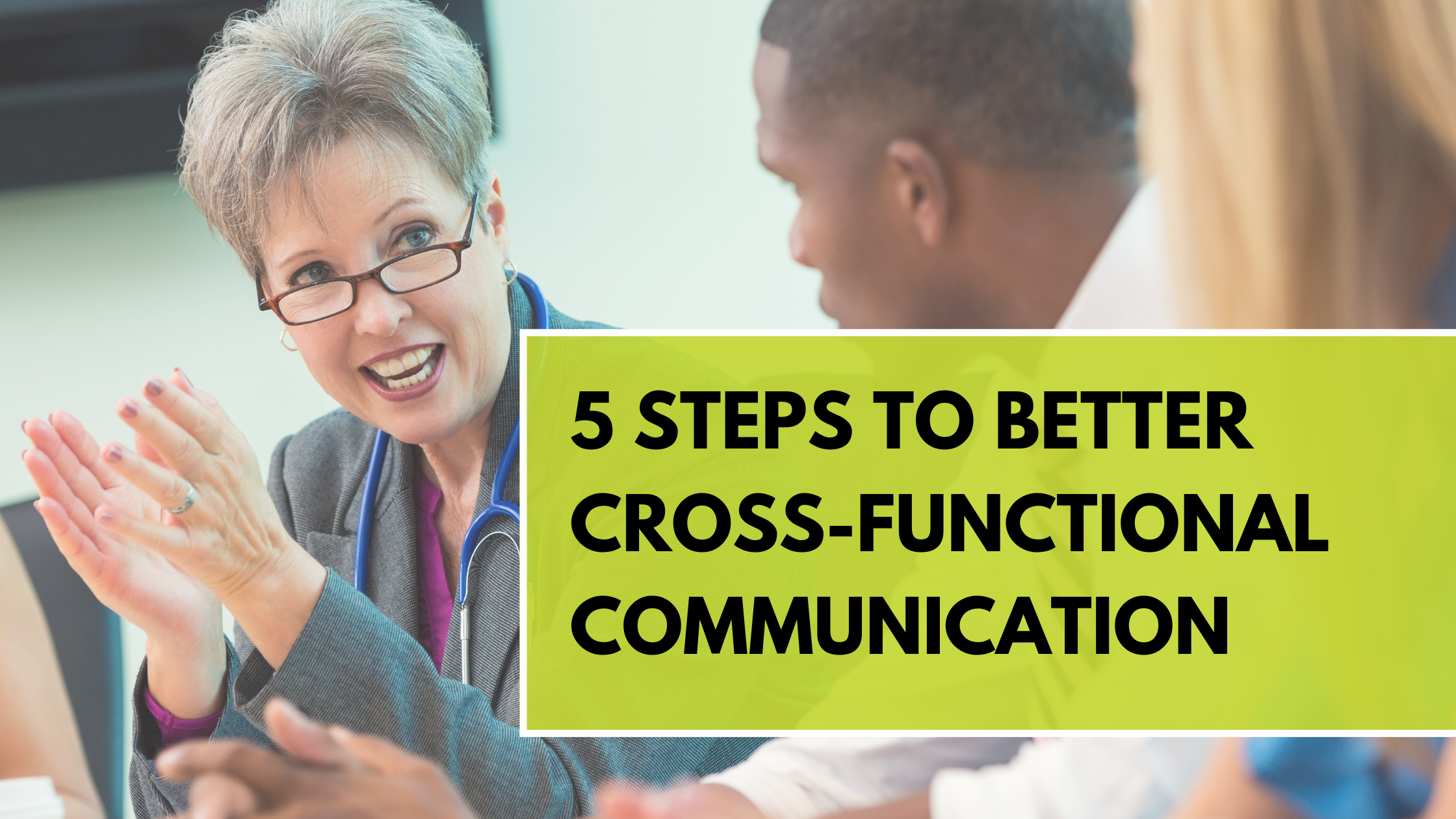
Modern workplaces are increasingly collaborative, cross-functional, and diverse. Few environments reflect this more clearly than the world of association management, where staff teams often work across departments while also partnering closely with volunteers serving in a wide range of leadership and operational roles.
Success in these environments depends less on expertise alone and more on the ability to communicate effectively across different perspectives, experiences, and areas of knowledge.
1. Acknowledge what others bring to the table.
Every individual involved in an organization brings unique insights, skills, and lived experiences to the table. Staff members may understand internal operations deeply, while volunteers may carry industry expertise, member perspectives, or strategic insight that staff do not possess. At the same time, neither group necessarily has full visibility into the responsibilities, pressures, or priorities of the other. Collaboration between staff and volunteers is built around shared goals, projects, values, and organizational culture.
2. Identify knowledge gaps.
In highly cross-functional environments, people are often entering conversations with different frames of reference, terminology, and context. What feels obvious to one person may be entirely unfamiliar to another. Effective communication requires intentionally establishing shared understanding before moving into execution, problem-solving, or decision-making.
3. Examine assumptions and move past them.
One of the most important skills in collaborative work is recognizing the assumptions we carry into conversations. Many assumptions operate automatically and go unnoticed unless we intentionally pause to examine them. We may assume others understand the background of a project, the urgency of a request, or the reasoning behind a decision. We may also assume shared definitions of success, timelines, or responsibilities. When those assumptions are not actually mutual, communication gaps quickly emerge.
4. Learn from misunderstandings.
Moments of resistance or misunderstanding can often serve as valuable signals rather than frustrations to simply push through. When communication breaks down, it is worth taking a step back to explore the root cause. Is one side operating from information the other does not have? Has a request become overly detailed and difficult to process, or so simplified that important context has been lost? Both information overload and lack of clarity can create barriers to understanding.
5. Clarify understanding.
Strong communication is not measured solely by how clearly something was delivered, but by how consistently it was understood. Teams often leave conversations believing they are aligned, only to discover later that participants walked away with different interpretations, priorities, or expectations. Taking a few additional minutes to confirm key takeaways, action items, and responsibilities can prevent significant confusion later.
Start the conversation.
As organizations continue to become more collaborative and interconnected, success increasingly depends on the ability to communicate across boundaries. Impact’s team of association professionals is well-versed in joining teams and establishing strong working relations with client volunteers and staff.
Our team works really well together and alongside our client leadership. We communicate clearly and bring a shared passion to every engagement. That culture translates into smoother collaboration with volunteer leaders, stronger relationships with members, and a partnership you’ll truly enjoy. Ready to explore how Impact can support your association?